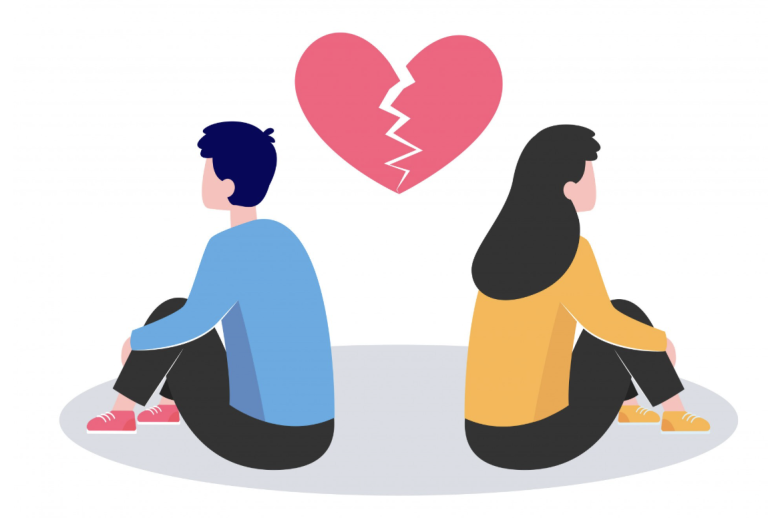

Grief is often associated with losing a loved one, but it can take many forms. Understanding the different types of grief can help you make sense of your emotional experience and feel less alone. Here are three common types of grief people navigate in everyday life.
1. Acute grief
This is the intense, immediate response following a significant loss. It can feel overwhelming with waves of sadness, longing, confusion, or even physical symptoms like fatigue or tightness in the chest. Acute grief is a natural reaction and tends to shift over time, but it can resurface unexpectedly.
2. Anticipatory grief
This type of grief occurs before a loss happens. It’s common when a loved one is facing a serious illness or when you sense a major life change coming. You may feel sadness, anxiety, or even guilt for grieving “too soon.” Anticipatory grief can be complex, as you’re holding both hope and loss at the same time.
3. Disenfranchised grief
This grief isn’t always recognized or validated by others. It can arise after losses that society may overlook, such as the end of a relationship, loss of a job, or a miscarriage. Because it’s less acknowledged, it can feel isolating, leaving you without the support you need.
How therapy can help with grief
Grief doesn’t follow a straight line and there’s no “right” way to process it. Therapy offers a supportive space to explore your emotions, understand your unique grief response, and develop coping strategies at your own pace. It can help you make meaning of your loss, reduce feelings of isolation, and gently move toward healing without pressure to “move on.”
Take the first step toward healing. Book a free consultation.